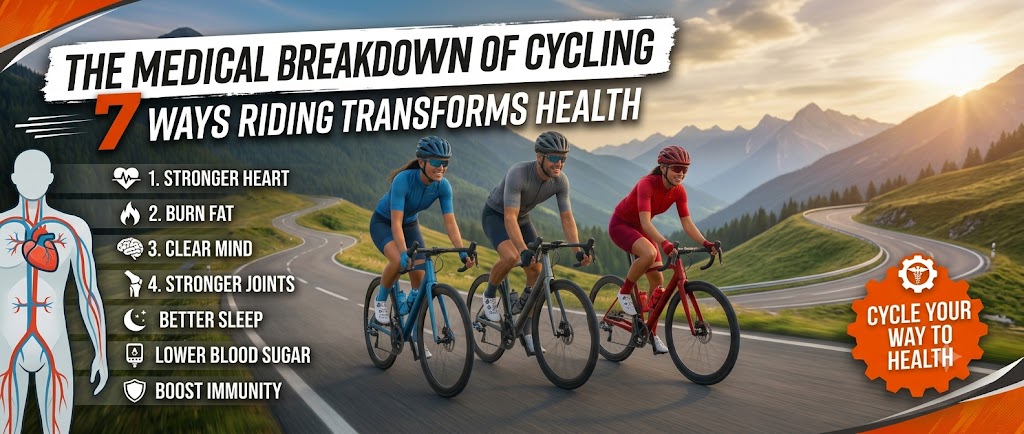
In today's highly automated world, a massive portion of the global population suffers from chronic physical inactivity. We sit at office desks for nine hours, sit inside vehicles during long commutes, and sit on couches to relax. This dangerous lack of movement triggers widespread metabolic syndrome, visceral body fat accumulation, clinical depression, and deadly coronary heart disease. To reverse these conditions, we need an exercise format that is highly engaging, cardiorespiratory stimulating, and sustainable for life.
Regular cycling is a highly validated clinical intervention that systematically transforms your physiological health markers. By combining intense cardiovascular conditioning with low-impact muscular resistance, cycling functions as an all-in-one upgrade engine for the human body. Whether you ride a sleek road bike, a rugged mountain bike, or a simple city commuter, the act of spinning pedals creates profound biological adaptations. In this extensive medical review, we break down the seven ways regular cycling rewires your body and brain.
1. Cardiovascular Strength: Building a Powerful Heart
Your heart is a muscular pump that requires consistent physical challenges to maintain its pumping efficiency and structural elasticity. A sedentary lifestyle causes your heart walls to stiffen, forcing your blood pressure to rise dangerously.
When you cycle at a brisk pace, your large lower-body muscle groups demand massive volumes of oxygen. Your heart responds by pumping more blood with every single beat, expanding its total stroke volume capacity. This active conditioning slashes arterial stiffness, clears dangerous cholesterol deposits out of your blood vessels, and naturally drives down high blood pressure metrics. Clinical tracking shows that individuals who cycle regularly reduce their risk of sudden heart failure by over forty percent.
2. Metabolic Engine Overhaul: Managing Blood Sugar Spikes
Every time you eat carbohydrate-heavy foods, glucose floods into your blood circulation. If you remain completely still, your pancreas must secrete large amounts of insulin to clear the sugar, which eventually leads to insulin resistance and Type 2 diabetes.
Cycling acts as an elite metabolic switch. Your contracting leg muscles immediately absorb glucose from your blood to burn as fast energy, completely bypassing the need for insulin. This active clearing flattens post-meal blood sugar spikes and significantly restores your body's long-term insulin sensitivity, protecting your internal blood vessels from inflammatory damage.
3. High-Calorie Fat Loss and Elevated Resting Metabolism
To drop stubborn body fat consistently, you must create a calculated daily caloric deficit. Cycling is a premier calorie-burning exercise, expending between 500 and 800 calories per hour depending on your moving speed and road incline.
Furthermore, because pedaling works against mechanical resistance, it builds dense lean muscle tissue throughout your quadriceps, hamstrings, and glutes. Muscle tissue is highly metabolically active, meaning it burns calories even when you are completely at rest. By increasing your lower body muscle density through cycling, you permanently raise your baseline resting metabolic rate, allowing your body to burn fat more efficiently 24 hours a day.
4. Low-Impact Joint Protection: Saving Your Knees
Many high-intensity cardio exercises, such as running or plyometrics, subject your skeletal chassis to intense, repetitive vertical shock waves. For individuals suffering from knee arthritis, excess weight, or weak cartilage, these high-impact forces accelerate joint degeneration.
Cycling is completely low-impact because your body weight is fully supported by the bike saddle. Your joints move through a smooth, fluid, circular motion without hitting hard surfaces. This continuous movement pumps fresh synovial fluid throughout your knee and hip spaces, cleaning out metabolic waste products and delivering vital nutrients to heal damaged cartilage cells naturally.
5. Neurological Enhancement: Fighting Stress and Anxiety
The profound health benefits of outdoor cycling expand far beyond your cardiovascular system; cycling alters the neurochemical layout of your brain, acting as a natural antidepressant.
- Cortisol Suppression: Sustained outdoor cycling flushes out elevated stress hormones like cortisol, helping move your nervous system out of anxious fight-or-flight mode and into a calm parasympathetic state.
- Neurotransmitter Release: Cycling triggers a steady release of endorphins, dopamine, and serotonin—the brain's natural mood elevators—which creates that post-ride feeling of deep mental clarity.
- BDNF Production: Pedaling increases blood flow to the brain, stimulating the production of Brain-Derived Neurotrophic Factor (BDNF), a protein that builds fresh neural pathways to enhance long-term memory and learning focus.
6. Respiratory Efficiency and Increased Lung Capacity
During long cycling workouts, your deep breathing forces your respiratory system to work at maximum efficiency. This constant workout strengthens your diaphragm muscle and expands total lung capacity, allowing your body to process larger volumes of oxygen with significantly less effort. Over time, this respiratory adaptation eliminates shortness of breath during daily household activities.
7. Immune System Defense and Cellular Longevity
Clinical longevity research demonstrates that regular cycling preserves the vitality of your thymus gland—the specific organ responsible for manufacturing vital immune T-cells. As human beings age, the thymus naturally shrinks, weakening the immune response. However, aging cyclists show T-cell profiles nearly identical to healthy young adults. By making cycling a regular pillar of your life, you are protecting your internal DNA telomeres, slowing down structural aging, and ensuring your body remains active, mobile, and fully vibrant for life.
 Back to Blog